
The Homeowner's Introduction to Interior Paint Finishes
Matte, eggshell, satin, semi-gloss: each finish behaves differently on walls. This guide helps first-time painters choose the right sheen for each room.
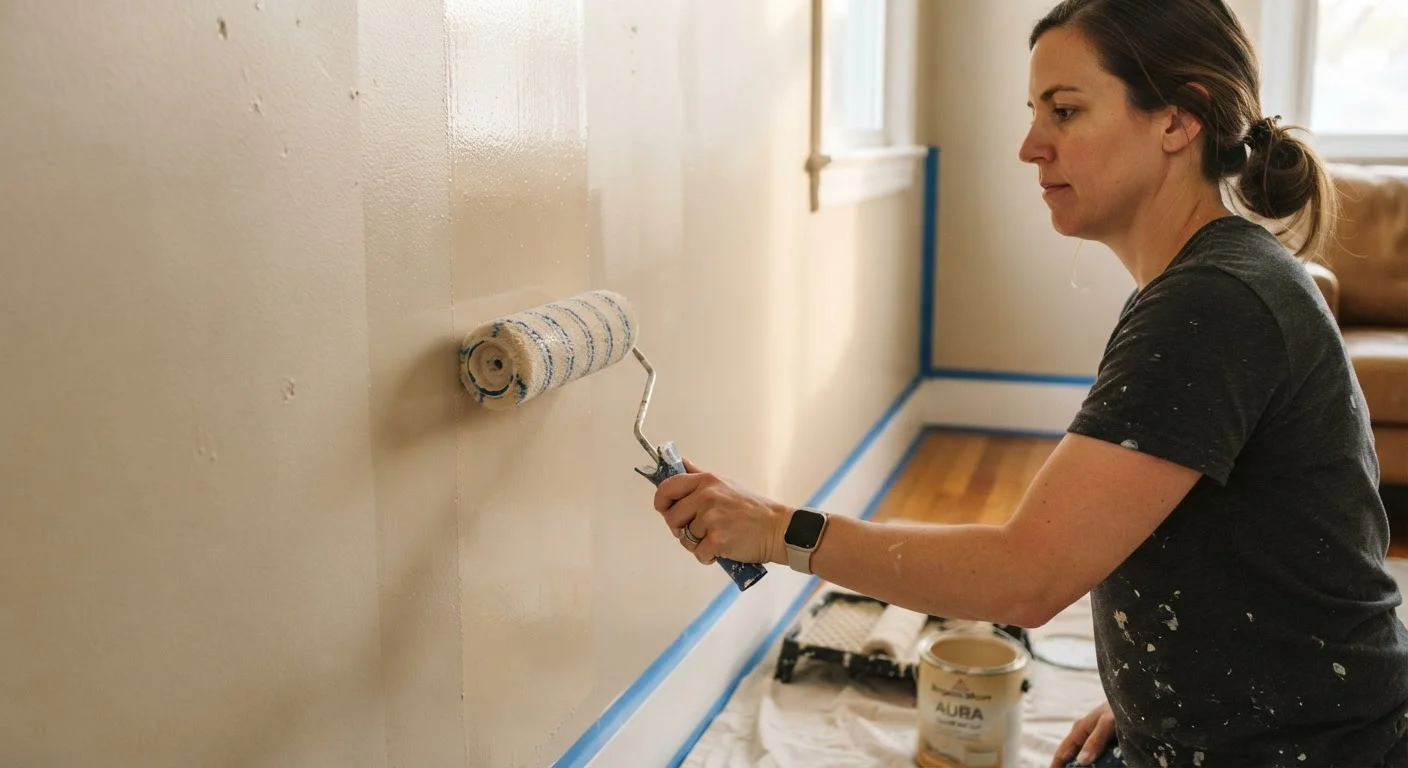
Photo: clearvisionmethod.net editorial
—— In This Article
Key Takeaways
- Paint finish (sheen level) affects both appearance and how well a surface resists scrubbing and moisture.
- Matte and eggshell work well in low-traffic areas; satin and semi-gloss are better where walls get touched or splashed.
- Higher-sheen paints cost about the same per can but tend to need fewer coats in high-wear spots.
- Mixing finishes in one room is fine when used intentionally, such as semi-gloss trim with eggshell walls.
- Surface prep matters more than finish choice: bare patches and old stains will show through any sheen level.
What paint finish actually means
When paint dries, its surface can land anywhere from completely flat to quite shiny. That quality is called sheen, and paint manufacturers sort products into finish categories based on how much light the dried surface reflects. The higher the sheen, the more light bounces back at you.
Sheen is not just decorative. A higher-sheen finish forms a denser, harder surface film that can be wiped down without damaging the paint. A low-sheen finish absorbs light and hides bumps and patchy texture, but it scuffs and stains more easily. Understanding that trade-off is all you need to make a sound choice for any room in your house.
Sheen
The amount of light a dried paint surface reflects. Higher sheen means more shine and a harder, more washable surface film.
Finish
The category name for a paint's sheen level, such as flat, eggshell, satin, or semi-gloss.
Primer
A preparatory coating applied before paint to seal porous surfaces, block stains, and help the topcoat bond and cover evenly.
Lap mark
A visible line or stripe left when wet paint overlaps an edge that has already begun to dry. More visible in higher-sheen finishes.
Hide
A paint's ability to cover the color underneath it. A paint with good hide requires fewer coats to produce an even, opaque result.
Topcoat
The final layer of paint applied over primer or a previous paint coat. The topcoat determines the finished color and sheen of the surface.
The four main finishes explained
Most interior paint lines organize sheen into four practical categories.
Flat or matte
Flat paint has no perceptible shine. It hides drywall imperfections, roller marks, and uneven texture better than any other finish. The downside is that it marks easily and cannot be scrubbed without leaving dull patches. It works best on ceilings and on walls in bedrooms or formal rooms that see little traffic.
Eggshell
Eggshell has a faint, soft sheen, roughly like the surface of a real eggshell. It is durable enough for most living areas, wipes down tolerably well, and still does a decent job of hiding minor wall flaws. It is the most commonly used finish for main living areas.
Satin
Satin is noticeably shinier than eggshell and significantly tougher. It resists moisture, cleans up easily, and holds its color through repeated wiping. Hallways, kitchens, and children's rooms are natural fits. The trade-off is that it shows roller lap marks and surface imperfections more readily, so good prep and application technique matter more.
Semi-gloss
Semi-gloss has a clear, hard shine and is the standard choice for trim, doors, and window casings because it handles constant contact without wearing through. Some homeowners use it on bathroom walls. It magnifies surface flaws, so any filling and sanding needs to be thorough before painting.
Matching finish to room
A simple room-by-room approach removes most of the guesswork.
- Living room and dining room: Eggshell on walls is a reliable choice. These rooms see moderate traffic and occasional scuffs, and eggshell handles both while keeping a calm look.
- Bedroom: Flat or eggshell both work. Bedrooms have lower humidity and lighter wall contact, so the easier washability of eggshell is not critical unless children share the space.
- Kitchen: Satin or semi-gloss on walls near cooking and sink areas. Grease and steam are regular presences, and both finishes wipe clean without absorbing stains.
- Bathroom: Satin at minimum, semi-gloss on any wall that gets direct water contact. Flat paint will peel in a humid bathroom over time.
- Hallways and stairwells: Satin. These spaces take more abrasion than any other in the house.
- Ceilings throughout: Flat. Ceilings are rarely touched and benefit from the imperfection-hiding properties of a matte finish.
- Trim, doors, and cabinets: Semi-gloss is the standard. It resists chipping, cleans easily, and creates a clean visual contrast with the wall color.
Test a sample before committing
Paint a small patch of wall, at least 12 inches square, with your chosen finish and let it dry fully before buying the full amount. Sheen levels look different under artificial light than they do on the paint chip or in the store. Viewing the dried sample at different times of day gives you a much more accurate read on whether the finish is right for the space.
Cost and coverage considerations
Finish level has almost no effect on the per-can price within the same paint line. A quart of satin and a quart of eggshell from the same product line will cost about the same. Where finish affects cost indirectly is in how many coats a job takes.
Higher-sheen paints tend to have better hide and flow, which can mean slightly better coverage per coat on a primed or previously painted surface. On walls with heavy staining or a dramatic color change, no finish eliminates the need for a proper primer coat first.
A gallon of interior paint typically covers around 350 to 400 square feet with one coat, though that varies by surface texture and application method. Rough or porous surfaces absorb more paint. Calculate room square footage before buying to avoid running short mid-wall, which often causes visible color variation at the join line.
Common mistakes first-time painters make
Choosing the wrong finish for a room is the most discussed mistake, but a few others matter just as much.
Skipping primer on bare drywall or over a stain lets the substrate show through any finish. No amount of extra paint coats fully corrects this. Use a stain-blocking primer on water marks or smoke stains before any topcoat.
Applying a high-sheen paint over unfilled nail holes, uneven spackle patches, or poorly sanded repairs will make those spots stand out. Sand smooth, wipe dust away, and spot-prime repaired areas before the finish coat.
Mixing two different finish levels of the same color to stretch a can is a common but risky shortcut. The dried sheens will not match under normal lighting, and the result looks blotchy.
Finally, painting in a cold or damp room causes latex paint to dry unevenly and can leave a tacky surface. Most latex paints need temperatures above 50 degrees Fahrenheit and reasonable ventilation to cure properly. Check the can label for the manufacturer's stated application conditions before starting.
Frequently Asked Questions

Home & Garden Editorial Team
Home & Garden Editorial Team is the collective byline for our editorial team and contributor network. Articles published under this byline or an editorial pen name are researched, written, and reviewed according to our editorial standards for clarity, consistency, and independence before publication.
View author profile