
What Homeowners Get Wrong About Grout Maintenance
Grout problems rarely start with the grout itself. Discover the overlooked habits that cause cracking, staining, and early failure in tile joints.
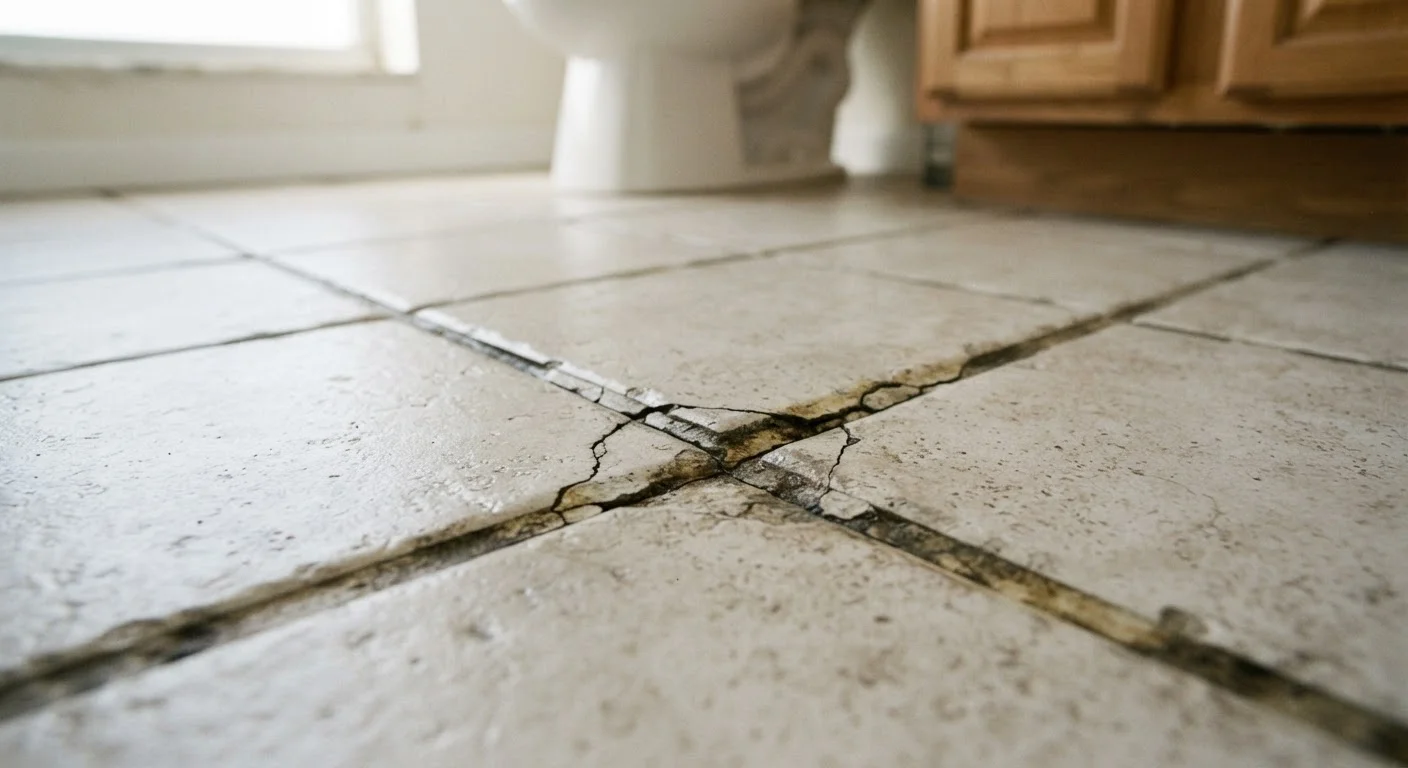
Photo: clearvisionmethod.net editorial
—— In This Article
Key Takeaways
- Grout sealing is not a one-time job; most sealers need reapplication every one to two years.
- Acidic cleaners dissolve grout over time, even when used in small amounts regularly.
- Cracked caulk at corners and transitions lets water reach the substrate before grout fails visibly.
- Mixing grout with too much water weakens the final bond and speeds up staining.
- Skipping a damp cure after grouting is one of the most common causes of early crumbling.
Why grout fails faster than it should
Grout is a cement-based material. It is porous, it expands and contracts with temperature, and it sits in high-traffic, high-moisture zones. Most grout failures do not come from a bad product or a difficult installation. They come from maintenance habits that quietly wear the material down over months or years.
The good news is that the fixes are almost always low-cost and DIY-friendly. Catching the right mistakes early can add years to tile work and save the expense of a full regrout or retile. That matters especially in bathrooms and kitchens, where water intrusion behind tile can cause structural damage. If you are weighing what deferred maintenance really costs, the article on hidden homeownership costs covers how small repairs left unattended become large ones.
Common mistakes that damage grout
The mistakes below happen in ordinary households. They are not signs of negligence; most homeowners simply were not told what grout actually needs to stay intact.
Using the wrong cleaner repeatedly over time.
Why it happens: Many all-purpose bathroom cleaners are acidic, and the label rarely warns about grout. Homeowners use them because they work on soap scum, not realizing what they do to the joint material.
Skipping sealer or applying it only once after installation.
Why it happens: Most new-construction tile is sealed by the installer, so homeowners assume the job is done permanently. Sealer wears off, especially in wet areas.
Using grout where flexible caulk is needed.
Why it happens: Grout is used everywhere else, so it seems logical at inside corners and the tub-to-tile joint. Many DIYers do not know those spots require a flexible material.
Letting grout cure without keeping it damp.
Why it happens: The instructions say to keep foot traffic off the tile, so homeowners leave the room and let the grout dry on its own, often in a heated or air-conditioned space.
Ignoring hairline cracks until tiles begin to loosen.
Why it happens: Small cracks look cosmetic. Homeowners often assume they can deal with them later, not realizing water has already been seeping in.
What good grout upkeep actually looks like
Avoid acidic cleaners on cement-based grout
Vinegar, lemon juice, and many commercial bathroom sprays are acidic enough to etch and erode standard cement grout with repeated use. Over time, acid strips the surface texture that helps sealer bond and makes grout more absorbent. Check the label before using any tile or grout cleaner and choose pH-neutral formulas for regular maintenance.
A sustainable routine does not require specialty equipment or expensive products. Sweep or dry-mop tiled floors regularly so abrasive grit does not grind into grout lines underfoot. Wipe up spills promptly rather than letting them soak in. After showers, a quick squeegee pass on walls slows the moisture buildup that feeds mildew.
For cleaning, a pH-neutral floor cleaner and a stiff nylon brush handle most grout soil without chemical damage. When you do see mildew, a diluted oxygen bleach solution (sodium percarbonate, not chlorine bleach) is gentler on grout than many commercial tile sprays and still effective against biological growth.
Check sealant annually. Pour a few drops of water on the grout; if it beads, the sealer is working. If it soaks in within a minute, apply a fresh coat of penetrating sealer once the surface is fully clean and dry. That single test takes under a minute and prevents most of the staining complaints homeowners bring to tile contractors.
At transitions, corners, and where tile meets a tub or shower pan, use sanded caulk rather than grout. Caulk flexes; grout in those spots will crack with normal movement. Inspect those lines once a year and re-caulk any section that has pulled away or crumbled.

Home & Garden Editorial Team
Home & Garden Editorial Team is the collective byline for our editorial team and contributor network. Articles published under this byline or an editorial pen name are researched, written, and reviewed according to our editorial standards for clarity, consistency, and independence before publication.
View author profile