
Caulk, Weatherstrip, or Foam: Sealing Drafts on a Tight Budget
Compare three common draft-sealing approaches to find out which materials work best for different gaps, windows, and door frames in your home.
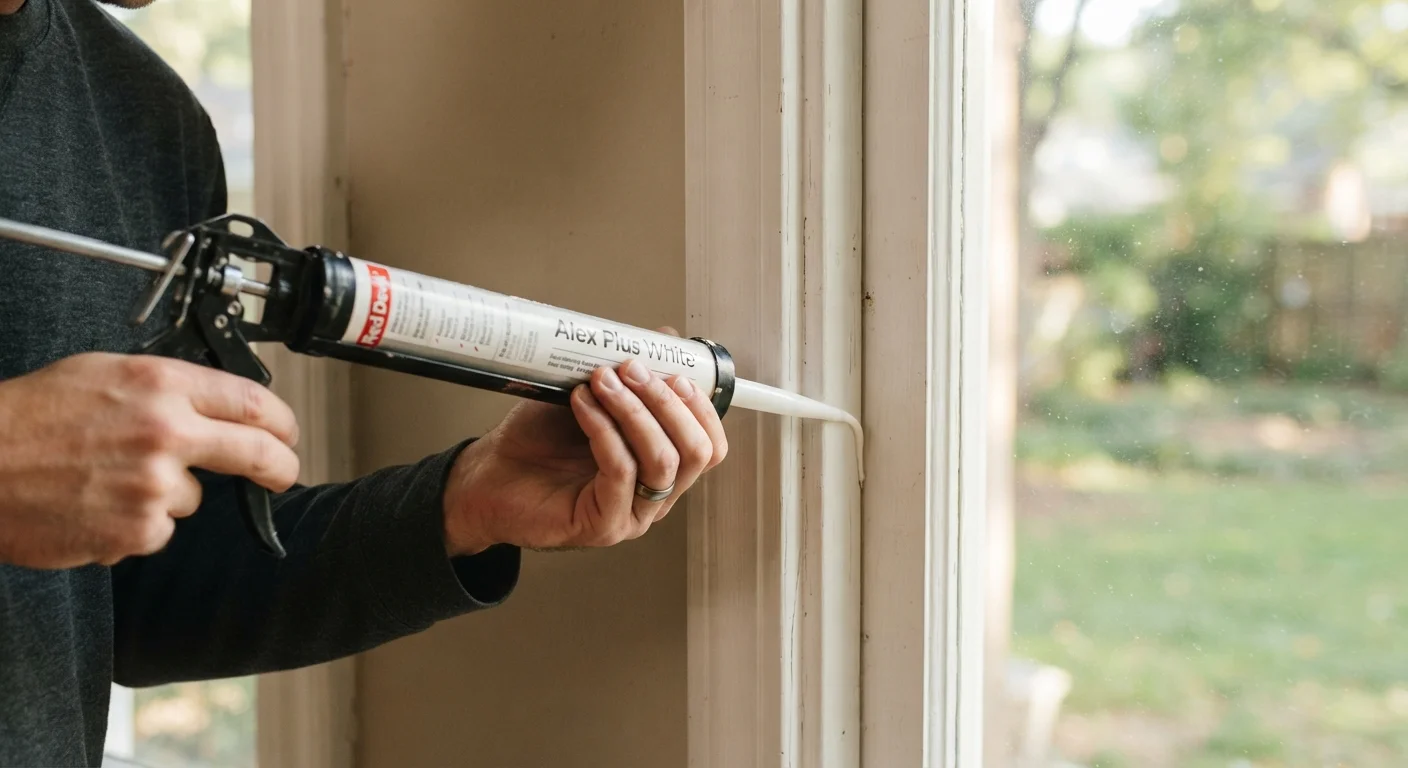
Photo: clearvisionmethod.net editorial
—— In This Article
Key Takeaways
- Caulk works best for stationary gaps along window frames, baseboards, and exterior siding joints.
- Weatherstripping handles moving parts like door edges and operable windows where caulk would crack.
- Foam sealant fills large or irregular gaps that neither caulk nor weatherstripping can reach.
- All three materials cost under $15 per project and are available at most hardware stores.
- Choosing the wrong material for a gap type reduces effectiveness and wastes money.
Why the material choice matters
A drafty home costs real money. The U.S. Department of Energy has estimated that sealing air leaks can reduce heating and cooling costs by a meaningful amount for the average household. The tricky part is that different gaps behave differently, and the wrong sealant either fails quickly or makes future repairs harder.
Before buying anything, walk your home with a lit incense stick or a damp hand near window frames, door edges, electrical outlets on exterior walls, and the gap where pipes or wires enter. Anywhere you feel air movement is a candidate for sealing. Once you know what you are dealing with, the material choice becomes straightforward. See the annual home maintenance checklist for a full room-by-room approach to finding these leaks.
| Caulk | Weatherstripping | Expanding foam | |
|---|---|---|---|
| Best application | Fixed joints and cracks | Moving parts, door edges | Large or deep gaps |
| Typical cost per project | $4 to $10 | $3 to $15 | $6 to $12 |
| Skill level needed | Low | Low | Low to moderate |
| Works on moving surfaces | No | Yes | No |
| Paintable | Yes (latex types) | Usually no | Yes after curing |
| Typical lifespan | 5 to 10 years | 2 to 5 years | 10 or more years |
Caulk: the workhorse for fixed cracks
Caulk is a flexible compound that dries in place, making it right for any gap that does not move. Common uses include the joint between a window frame and the surrounding wall, the seam where siding meets trim, gaps at baseboards on exterior walls, and cracks around pipe penetrations.
Silicone caulk holds up outdoors and resists moisture, so it belongs on exterior applications. Latex or acrylic caulk is easier to paint over and cleans up with water, making it better for interior trim work. A standard tube runs $4 to $10 and covers roughly 30 linear feet of a quarter-inch gap.
The main failure mode is applying caulk to a surface that flexes. A door frame shifts slightly every time the door opens; caulk across that joint will crack within a season. Save caulk for truly stationary surfaces.
Test before you commit
Run your hand slowly along a window frame on a cold or windy day before caulking. If you feel air movement only when the sash is closed but not moving, caulk is the right call. If air comes through even when the window is locked, the sash seal is the problem and weatherstripping or a sash lock adjustment will do more good than caulk on the frame.
Weatherstripping: built for movement
Weatherstripping attaches to the edges of doors and operable windows to create a seal when they close. Because it compresses and releases repeatedly, it uses foam, rubber, felt, or vinyl rather than a rigid compound.
Foam tape (the kind with a peel-and-stick backing) is the easiest to install and costs $3 to $8 for a pack that handles several windows or one door. It works well on window sashes and the top and sides of interior doors. V-strip (or tension seal) weatherstripping is a folded piece of plastic or metal that fits into the channel of a double-hung window or along a door stop; it lasts longer than foam tape and costs $6 to $12 per package.
Door sweeps attach to the bottom edge of a door and block the gap between the door and the threshold. They cost $8 to $15 and can eliminate a surprisingly large source of cold air infiltration. Check the bottom of exterior doors first; that gap is often the worst offender.
Expanding foam: for gaps nothing else reaches
Expanding polyurethane foam comes in a can and fills voids that are too deep or irregularly shaped for caulk and too large for weatherstripping to bridge. Typical uses include the gap where a dryer vent or plumbing pipe passes through a rim joist, large openings around recessed light fixtures in unheated attics, and the space between a door frame and the rough framing behind it.
Standard expanding foam grows to two or three times its wet volume, so apply it in thin passes and let it cure before adding more. Using too much at once can bow a door frame, making the door difficult to close. For door and window frames specifically, choose a product labeled "minimal expanding" or "low-expansion window and door foam" to avoid this problem.
A can costs $6 to $12 and seals more gaps per dollar than almost any other material when gaps are large. Cured foam can be trimmed with a utility knife and painted, though the surface is not as clean as caulk.
For gaps near electrical wiring or in areas that require a fire rating, check local building codes before using standard foam. Some situations call for fire-block foam or require a licensed contractor. When in doubt, consult a qualified professional before proceeding. Proper exterior sealing also ties directly into how your home looks from the street; see low-budget curb appeal updates for related exterior work.
Putting all three to work
A thorough draft-sealing project uses all three materials in sequence. Start with caulk on fixed joints around window and door frames, then move to weatherstripping on the operable parts of those same windows and doors. Finish with foam on any deep gaps you found during your initial walkthrough.
Work from the top of the house down so any dust or debris from overhead gaps does not foul freshly applied sealant below. Prime surfaces before caulking if the material is paint over drywall; caulk adheres poorly to chalky or peeling paint.
Total material cost for a typical 1,500-square-foot home is often $30 to $50, which is low enough that even a modest reduction in drafts pays back the investment within one heating season in most climates.

Home & Garden Editorial Team
Home & Garden Editorial Team is the collective byline for our editorial team and contributor network. Articles published under this byline or an editorial pen name are researched, written, and reviewed according to our editorial standards for clarity, consistency, and independence before publication.
View author profile