
Sleep and Family Health: What the Research Generally Shows
An educational overview of how sleep affects physical and mental well-being across different age groups, from toddlers to parents.
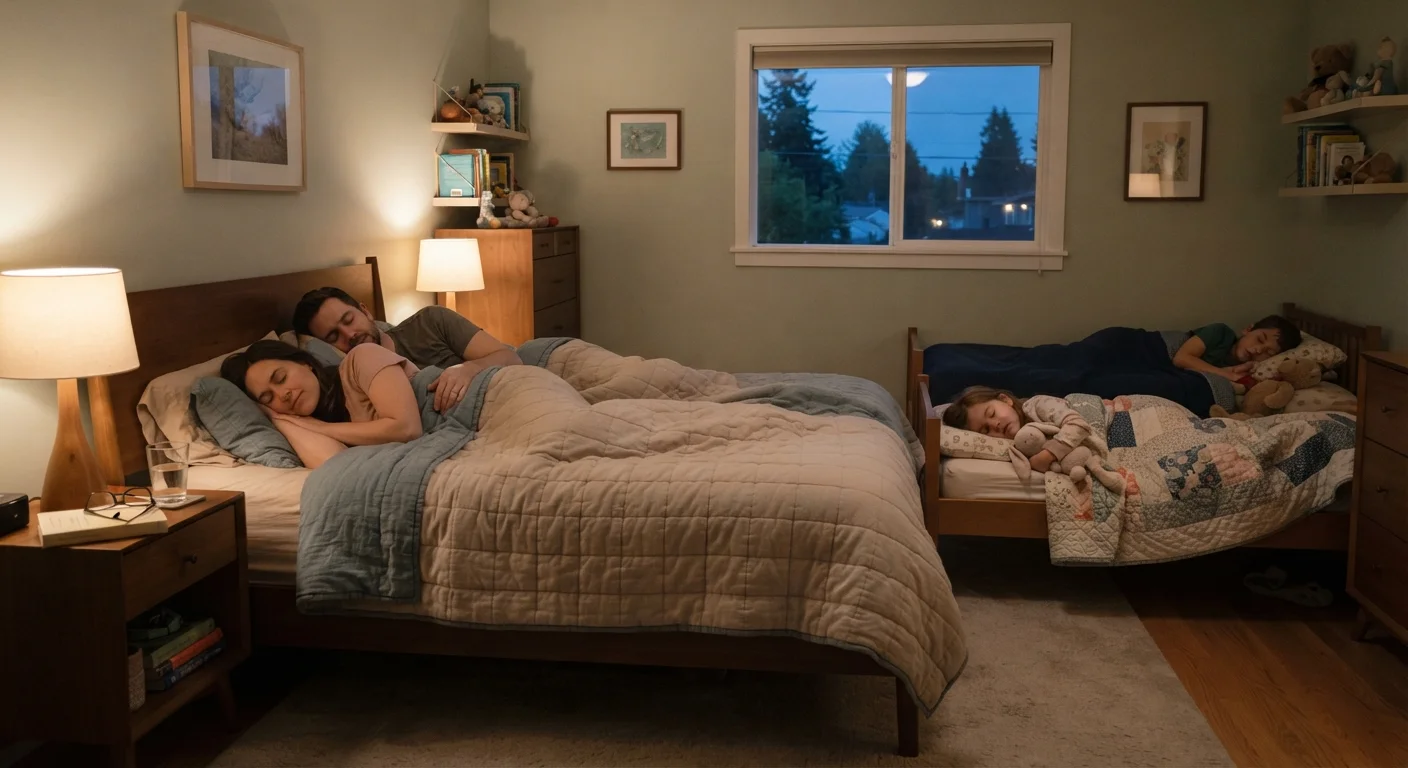
Photo: clearvisionmethod.net editorial
—— In This Article
Key Takeaways
- Sleep needs differ by age, with young children requiring significantly more hours than adults.
- Chronic sleep loss in children is associated with attention, behavior, and learning difficulties.
- Adults who consistently sleep fewer than seven hours show higher rates of metabolic and cardiovascular concerns.
- Household sleep habits tend to influence one another, so a whole-family approach can help everyone.
- Good sleep hygiene practices are low-cost and can make a meaningful difference over time.
Why sleep is a family-wide concern
Sleep is not a purely individual matter inside a household. Infants who wake frequently affect parents' rest. A teenager's late-night screen use can keep siblings awake. A stressed parent who falls into irregular sleep schedules can shift the whole household's evening routine. The research generally frames sleep as something that ripples through a family system, meaning disruptions in one person's sleep can affect others.
The Centers for Disease Control and Prevention has identified insufficient sleep as a public health issue, noting that a substantial share of American adults report sleeping fewer than the recommended seven hours. For children and adolescents, the numbers are similarly concerning. Understanding what sleep does, and what happens when it falls short, helps families make informed decisions about daily habits without requiring expensive interventions.
This is general health information
The research findings described in this article reflect population-level associations, not individual guarantees. Sleep needs and health outcomes vary between people. If you or a family member is experiencing persistent sleep problems, consult a qualified healthcare professional for personalized guidance.
What sleep does at different life stages
During infancy and early childhood, sleep is when the brain does much of its developmental work. Growth hormone is released primarily during deep sleep, and the consolidation of new skills and language happens partly through sleep cycles. The American Academy of Sleep Medicine publishes age-specific sleep duration recommendations that pediatricians use as general benchmarks.
School-age children who get adequate sleep show better attention, memory recall, and emotional regulation compared to those who are sleep-deprived, according to research published in peer-reviewed pediatric journals. Behavior problems linked to poor sleep are sometimes mistaken for other issues, which is one reason consistent sleep evaluation is part of routine pediatric care.
Teenagers experience a well-documented biological shift in their circadian rhythm (the body's internal clock) that delays their natural sleep and wake times. This is a physiological change, not a behavioral one. When school schedules conflict with this shift, teens accumulate a sleep deficit that research associates with mood instability, reduced academic performance, and increased accident risk.
For adults, the relationship between sleep and health spans metabolic, cardiovascular, and immune function. The National Sleep Foundation and the CDC both note that adults sleeping fewer than seven hours consistently show higher incidence rates of conditions including obesity, type 2 diabetes, and hypertension. These are associations observed in population studies, not guaranteed individual outcomes, and many factors contribute to these conditions alongside sleep.
1 in 3
U.S. adults not getting enough sleep
The Centers for Disease Control and Prevention reports that about one-third of American adults regularly sleep fewer than the recommended seven hours per night.
8-10 hrs
Recommended nightly sleep for teenagers
The American Academy of Sleep Medicine recommends 8 to 10 hours of sleep per night for adolescents aged 13 to 18 to support health and well-being.
57%
U.S. middle and high schoolers sleeping too little
CDC data has found that more than half of middle and high school students in the United States report getting less sleep than recommended on school nights.
Mental health and the sleep connection
The relationship between sleep and mental health runs in both directions. Poor sleep can worsen anxiety and depression symptoms, and anxiety and depression can make sleep harder. For families managing everyday stress, this connection is worth understanding because improving sleep is sometimes one of the more accessible levers available.
Children experiencing sleep difficulties may show increased irritability, tearfulness, or difficulty managing frustration. Adults with chronic poor sleep often report reduced patience and heightened emotional reactivity. For households already managing stress, addressing sleep can be one component of a broader wellness approach. See strategies for managing household stress for complementary approaches that work alongside better sleep habits.
Building better sleep habits across the family
Sleep hygiene, the set of behavioral and environmental practices that support consistent, quality sleep, does not require spending money. The practices with the strongest research support include maintaining consistent sleep and wake times seven days a week, keeping bedrooms dark and relatively cool, limiting exposure to bright screens in the hour before bed, and avoiding caffeine in the afternoon and evening for those who consume it.
For children, a predictable bedtime routine, such as a bath, quiet reading, and lights-out at the same time each night, helps signal to the brain that sleep is coming. Consistency matters more than perfection. A routine followed five or six nights per week produces more benefit than a perfect routine applied sporadically.
Parents often put the household's sleep needs last. Prioritizing adult sleep is not selfish; it affects the quality of parenting, decision-making, and physical health in ways that directly benefit children. Building a family health routine without overspending covers how sleep fits into broader wellness habits that families can adopt on a tight budget.
This article is for informational purposes only and is not medical advice. Consult a qualified healthcare professional for personal health concerns, symptoms, or decisions about your family's care.
Frequently Asked Questions

Health Editorial Team
Health Editorial Team is the collective byline for our editorial team and contributor network. Articles published under this byline or an editorial pen name are researched, written, and reviewed according to our editorial standards for clarity, consistency, and independence before publication.
View author profile