
Keeping a Home First Aid Kit Ready: What to Include
A practical checklist of supplies commonly recommended for household first aid kits, along with notes on storage and when to seek professional care.
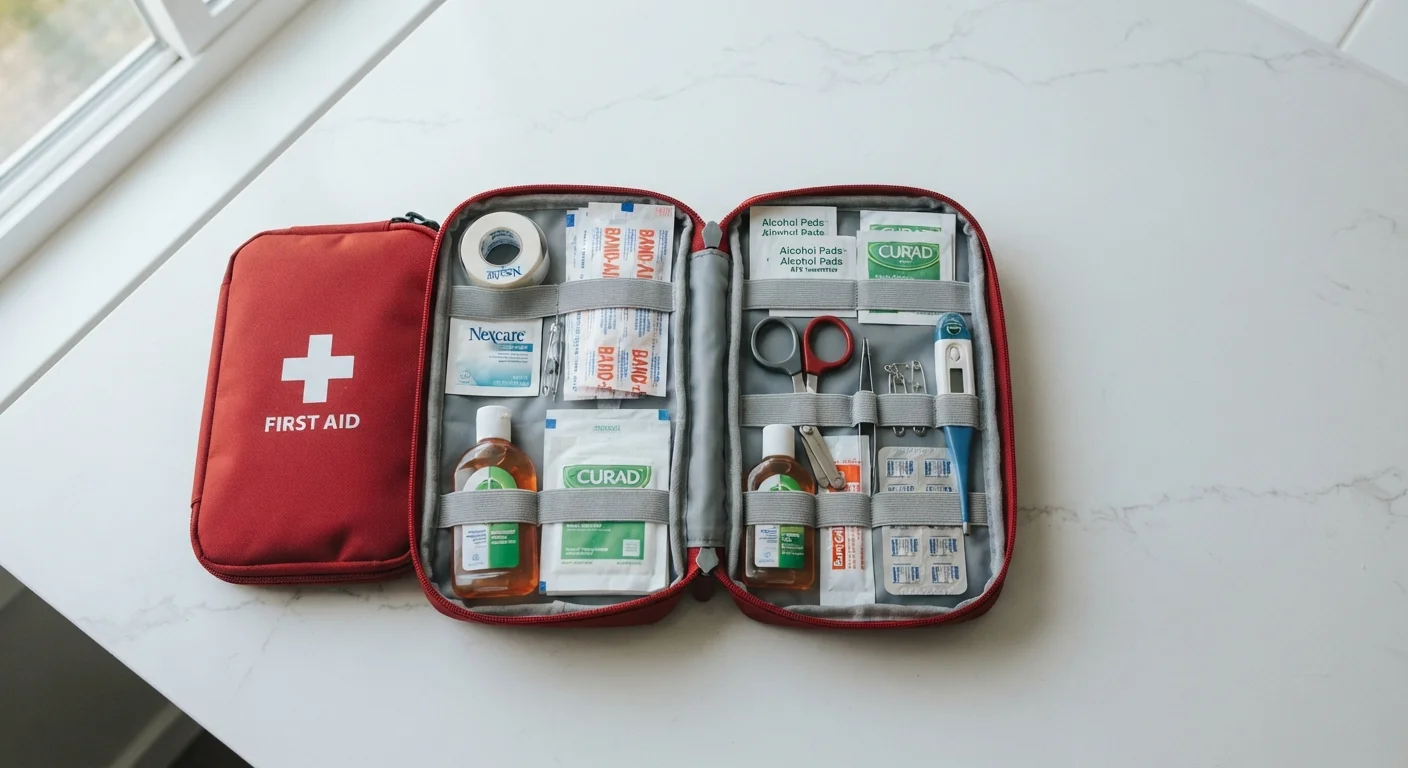
Photo: clearvisionmethod.net editorial
—— In This Article
Key Takeaways
- A home first aid kit should cover wound care, fever management, and basic pain relief at minimum.
- Supplies expire and should be reviewed at least once a year.
- Storage location matters: kits should be accessible to adults but out of reach of young children.
- A first aid kit is for minor injuries; serious symptoms always warrant professional medical care.
- Customizing your kit for household members with chronic conditions or allergies improves its usefulness.
Why every household needs a stocked kit
Minor cuts, burns, and sprains happen at home regularly. Having the right supplies within reach means you can respond quickly rather than searching through bathroom cabinets or making an unnecessary trip to a pharmacy. A first aid kit does not replace professional medical care, but it gives you a practical starting point for managing common, non-emergency situations.
The American Red Cross and similar health organizations publish general guidance on household kit contents. This checklist draws on that type of publicly available guidance to help you audit what you already have and fill the gaps. Before relying on any supplies, check that they are within their expiration date.
If you do seasonal home upkeep, tying your kit review to that schedule is a practical habit. The annual home maintenance checklist is one place to add this reminder alongside other household tasks.
This article is for general informational purposes only and is not medical advice. Consult a qualified healthcare professional for any medical concerns, symptoms, or emergencies.
What to include: the full checklist
The items below are organized by function. Work through each group when stocking or auditing your kit. Priority labels indicate which items most sources consider non-negotiable versus helpful additions.
Wound care
Burns and skin care
Medications
Instruments and tools
Documentation and reference
Do not rely on a kit for serious injuries
A home first aid kit is intended for minor, manageable situations. Deep wounds that do not stop bleeding, suspected fractures, signs of a severe allergic reaction (such as swelling of the throat or difficulty breathing), or any loss of consciousness require emergency services, not home treatment. Call 911 or go to an emergency room immediately in those situations.
After checking your supplies, note any items that are expired, low, or missing. A simple written list kept inside the kit lid makes restocking straightforward.
Storage, maintenance, and when to call for help
Store your kit in a cool, dry location away from direct sunlight. Humidity from bathroom storage can degrade supplies faster than most people expect, so a hallway closet or kitchen cabinet is often a better choice. The kit should be easy for adults to access quickly, but if young children are in the home, use a latched container or a high shelf.
Check expiration dates on medications, antiseptics, and adhesive products at least once a year. Adhesive bandages lose their stickiness over time, and medications past their expiration date may be less effective. Replacing a few items annually costs far less than restocking everything at once, so a once-per-year audit is practical.
For households where someone has a known allergy, chronic condition, or takes regular medication, talk with that person's doctor about any additional items worth keeping on hand. This is especially relevant for families with young children, older adults, or anyone with a condition like asthma or severe allergies. Prescription items such as epinephrine auto-injectors require a doctor's guidance and are not a self-directed purchase.
A first aid kit is appropriate for minor injuries: small cuts, mild burns, splinters, and similar everyday events. Go to an emergency room or call emergency services for deep wounds, difficulty breathing, suspected broken bones, signs of a severe allergic reaction, chest pain, or any situation that does not feel manageable at home. When in doubt, call a medical professional rather than waiting.
Reviewing your kit fits naturally alongside other annual household checks. The annual financial review checklist is another once-per-year habit that helps families stay organized across health, home, and money decisions.
Tools that help you use your kit effectively
Supplies are only half the picture. Knowing how to use them correctly matters just as much.
First aid manual or reference guide
Provides step-by-step instructions for common injuries so you can act correctly under stress.
CPR training certification
Equips household members to respond to cardiac emergencies before professional help arrives.
Poison Control Center number (1-800-222-1222 in the US)
Gives immediate guidance if a household member is exposed to a potentially toxic substance.
Digital thermometer
Measures body temperature accurately to help determine whether fever is present.

Health Editorial Team
Health Editorial Team is the collective byline for our editorial team and contributor network. Articles published under this byline or an editorial pen name are researched, written, and reviewed according to our editorial standards for clarity, consistency, and independence before publication.
View author profile