
Compound Interest: The Concept Behind Both Growing Savings and Growing Debt
Compound interest works for you in savings accounts and against you in debt. A straightforward explanation of how it shapes long-term household finances.
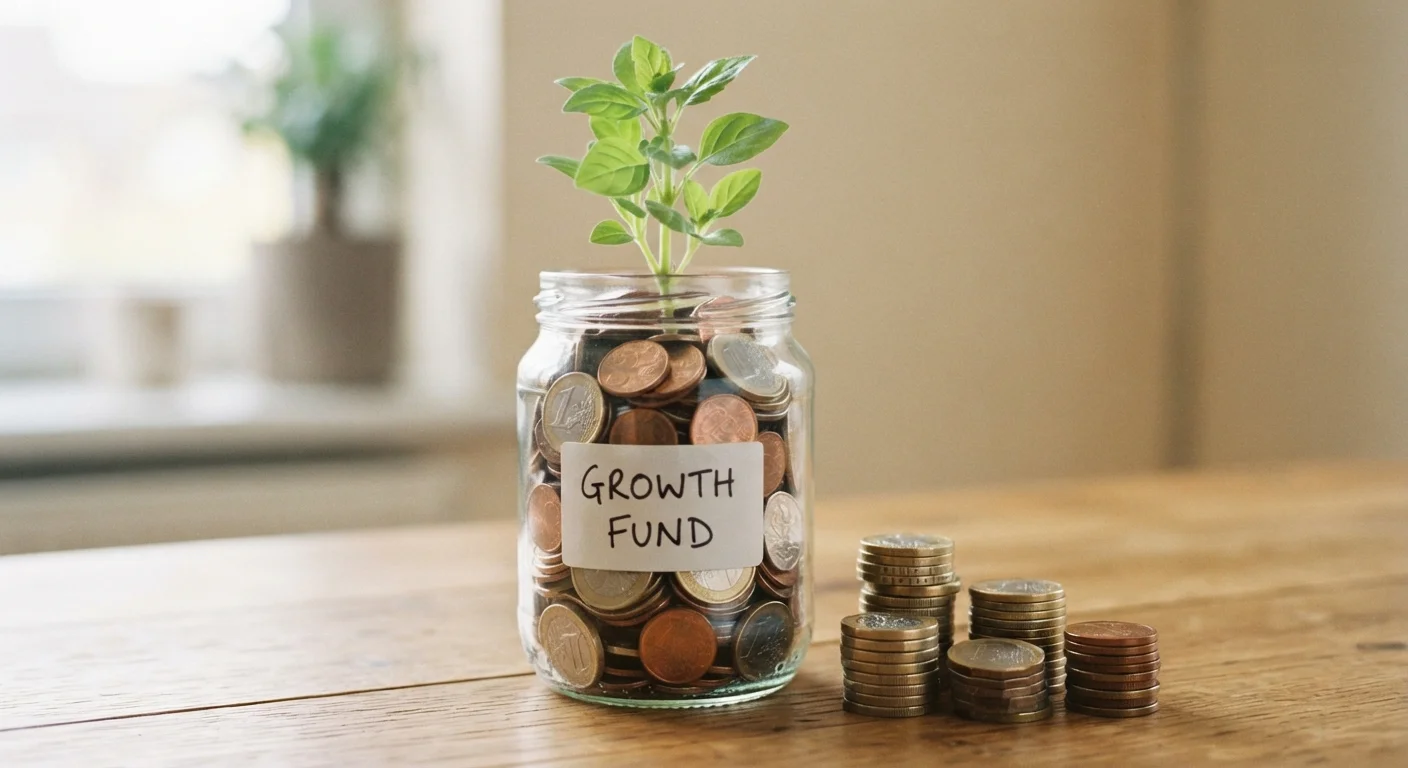
Photo: clearvisionmethod.net editorial
—— In This Article
Key Takeaways
- Compound interest applies to both savings and debt, with opposite effects on your finances.
- The longer money compounds, the more dramatic the difference between early and late savers.
- High-interest debt can grow faster than many people expect because interest compounds on unpaid balances.
- Understanding compounding frequency helps you compare savings accounts and loan products accurately.
- Paying more than the minimum on debt reduces the principal that interest is calculated on.
How compound interest actually works
Imagine you deposit $1,000 into a savings account that earns 5% interest per year. After the first year, you have $1,050. In year two, the 5% applies to $1,050, not the original $1,000, so you earn $52.50 instead of $50. That extra $2.50 sounds small, but the pattern continues every year on a growing base.
This is the core mechanic: interest earns interest. Over a short period, the effect is modest. Over decades, it becomes substantial. A saver who puts away $5,000 at age 25 and leaves it alone will end up with considerably more than someone who puts away the same amount at age 45, assuming the same rate and no withdrawals. The difference is not the amount saved but the time available for compounding.
The math behind it is expressed as a formula: A = P(1 + r/n)^(nt), where P is the principal, r is the annual interest rate, n is the number of compounding periods per year, and t is time in years. You do not need to memorize the formula, but knowing that both time and compounding frequency affect the result is useful when comparing financial products.
Daily
Compounding frequency on most U.S. credit cards
Most U.S. credit card issuers compound interest daily on unpaid balances, meaning the effective annual rate is higher than the stated APR.
APY vs APR
Two rates that measure different things
APY (annual percentage yield) reflects compounding and shows actual earnings on savings; APR (annual percentage rate) is the stated rate on loans and may understate the true borrowing cost if compounding is frequent.
10+ years
Time to repay a balance on minimum payments
Consumer finance education materials commonly illustrate that carrying a moderate credit card balance and paying only the minimum can result in repayment periods exceeding a decade.
When compounding works against you
The same mechanism that builds savings can erode a household budget when it applies to debt. Credit cards are the most common example. If you carry a $2,000 balance on a card with a 22% annual percentage rate (APR) and compounding is daily, the effective rate you pay is slightly higher than 22% because interest accumulates every day on the outstanding balance.
Pay only the minimum each month and most of that payment covers interest rather than the principal (the original amount borrowed). The balance falls slowly while the interest charges continue. A balance that feels manageable at first can persist for years and cost several times the original purchase price by the time it is paid off.
Auto loans, personal loans, and buy-now-pay-later agreements also involve compounding, though the terms vary. Understanding the APR and compounding schedule before signing a loan agreement helps you estimate the true cost of borrowing.
If you and a partner are combining finances, discussing how each of you handles existing debt is one of the most practical steps you can take. See our guide to financial conversations before merging finances for a fuller picture of what those discussions should cover.
Practical ways to put this knowledge to use
You do not need a financial background to apply the basics of compound interest to everyday decisions.
On the savings side, the most straightforward move is to start earlier rather than later, even with small amounts. Money left in an account where interest is reinvested grows at an increasing rate over time. Checking how often an account compounds, daily versus monthly versus annually, helps when comparing options, because a higher compounding frequency produces a higher effective annual yield at the same stated rate.
On the debt side, paying more than the minimum reduces the principal balance faster. Since interest is calculated on the outstanding balance, a lower principal means less interest charged in the next period. Even modest extra payments directed at high-interest balances produce measurable savings over time.
One number worth knowing is the annual percentage yield, or APY, which accounts for compounding frequency and gives a more accurate picture of what a savings account will actually earn in a year. The APR on a loan is the stated annual rate, but the effective cost can be higher if interest compounds more frequently than annually.
This article is for general informational purposes only and is not personalized financial advice. For decisions about your own savings, debt, or investments, consult a licensed financial adviser or qualified professional.
Frequently Asked Questions

Finance Editorial Team
Finance Editorial Team is the collective byline for our editorial team and contributor network. Articles published under this byline or an editorial pen name are researched, written, and reviewed according to our editorial standards for clarity, consistency, and independence before publication.
View author profile