
What to Inspect Before Signing Off on a Used Car
A thorough pre-purchase inspection can surface hidden problems. This checklist covers the key areas to examine before handing over any money.
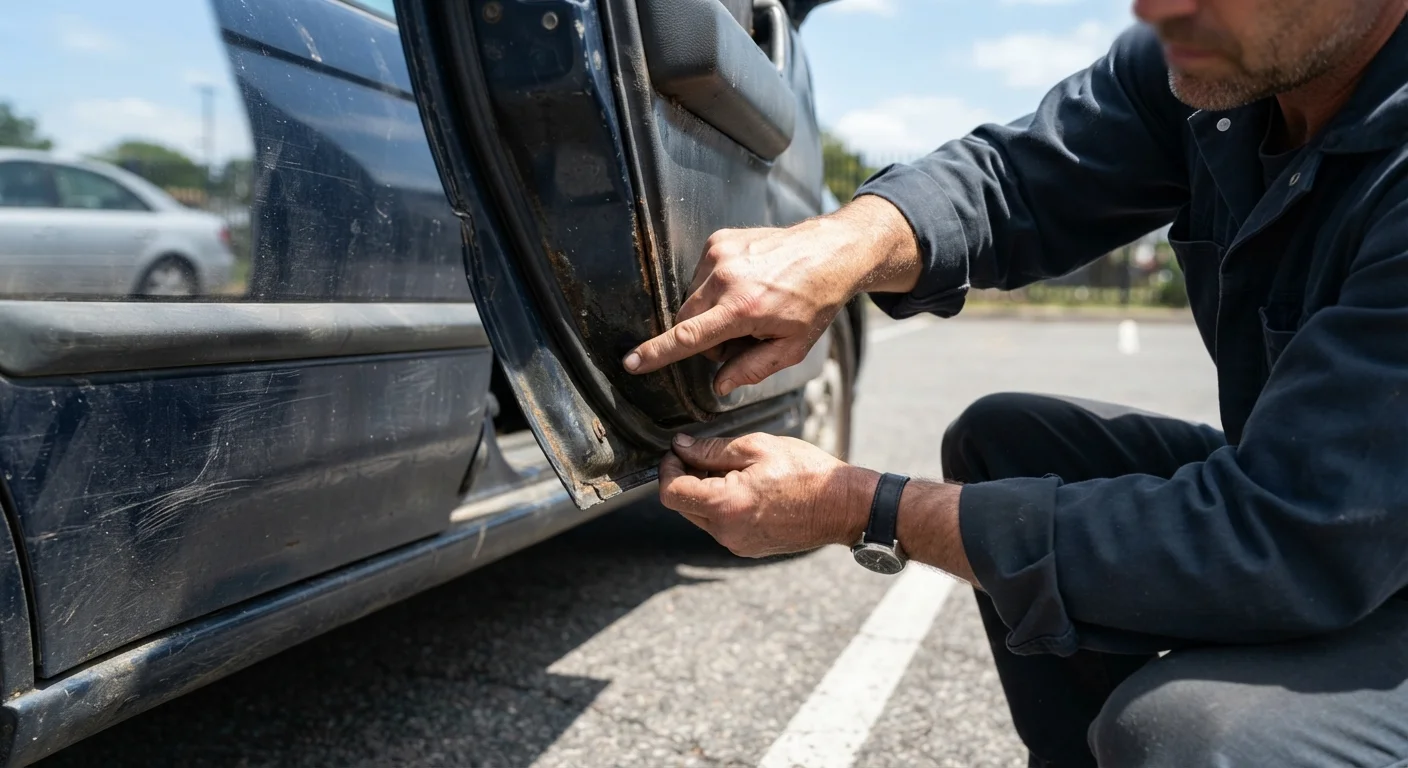
Photo: clearvisionmethod.net editorial
—— In This Article
Key Takeaways
- A pre-purchase inspection by an independent mechanic typically costs $100 to $150 and can prevent far larger repair bills.
- Rust, mismatched paint, and uneven panel gaps are reliable signs of prior collision damage.
- A vehicle history report is useful but does not replace a physical inspection.
- Checking under the hood and underneath the car can reveal oil leaks, worn belts, and frame damage.
- Test-driving on different road surfaces helps surface suspension, brake, and transmission issues.
Why a physical inspection matters
A vehicle history report tells you what was recorded. It does not tell you what was skipped, misreported, or repaired badly. A hands-on inspection fills that gap. Spending 45 to 90 minutes going through a car systematically gives you the information to negotiate from a position of knowledge or walk away before you commit.
This checklist is designed for a private-party or dealer lot setting where you have reasonable access to the vehicle. For each area, note anything that looks off and bring that list to an independent mechanic for a pre-purchase inspection before signing. If a seller refuses to allow a third-party mechanic to look at the car, treat that refusal as a serious warning sign.
For broader context on how this inspection fits into the full purchase process, see the family-focused car buying walkthrough.
Vehicle history report service
Provides documented ownership history, accident records, title status, and reported mileage rollbacks.
OBD-II diagnostic scanner
Reads stored and pending fault codes from the vehicle's computer, including codes that do not trigger a visible warning light.
Flashlight or inspection light
Illuminates the engine bay, underneath the vehicle, and interior crevices that are difficult to see in ambient light.
Independent mechanic (pre-purchase inspection)
Provides a professional lift inspection and mechanical assessment that a buyer cannot replicate without equipment.
Tire tread depth gauge
Gives a precise tread measurement rather than a visual estimate, helping calculate remaining tire life.
Exterior and body
Walk around the entire car in daylight, not in a dim garage or at night. Look along each body panel from a low angle to spot ripples, bubbles, or uneven reflections that suggest filler or shoddy bodywork.
Exterior body check
Under the hood
Interior and electrical
Test drive
Mismatched paint between adjacent panels is one of the more telling signs of a repair. Small variations in texture are just as significant as color differences, because shops sometimes blend color but miss the texture of the original factory finish. Uneven gaps between the hood and fenders, or between doors and the body, can point to frame damage that was never properly corrected.
Sellers who rush the inspection
A seller who pressures you to decide quickly or discourages you from looking closely at the vehicle is a problem. Take the time the inspection requires. If the seller sets an artificial deadline, walk away and find another vehicle. Rushing this step is how buyers end up with problems that cost far more than any perceived deal saved.
Aftermarket modifications and warranty gaps
Modifications such as lift kits, engine tunes, or suspension changes can void portions of a remaining factory warranty and may accelerate wear on related components. Ask whether any modifications have been made and factor the cost of reversing or maintaining them into your total ownership estimate.
Under the hood and underneath
Pull the hood and give the engine bay five minutes of careful attention. Fresh undercoating sprayed onto the frame rails in an isolated patch is a red flag: it often means someone hid rust or weld repairs. A clean engine bay is not automatically a good sign either, since pressure washing before a sale can hide active leaks.
Check fluid levels and condition. Dark brown or black engine oil, milky coolant, or a burnt smell from the transmission fluid each point to a maintenance issue worth investigating. Look at the belts and hoses for cracking, fraying, or soft spots. These are wear items, but their condition tells you how the previous owner treated routine upkeep.
If you can safely look underneath without a lift, do it. Look for fresh oil streaks on the subframe, corroded brake lines, and any visible rust on the floor pans. A professional lift inspection at a shop will show more, which is why the independent mechanic appointment matters.
Interior and electronics
Sit in every seat. Check that all windows operate from both the driver's master switch and the individual door switches. Test every HVAC setting, including heat, air conditioning, and the defroster grids on the rear window. Work through all the dashboard controls: turn signals, headlights, hazards, wipers at every speed, and horn.
Look at the condition of the pedals and driver's seat bolster. Heavy wear on the pedal rubber or seat side bolster relative to the stated mileage suggests the odometer reading may not reflect actual use. Check the trunk floor for signs of water intrusion, which often appears as a musty smell or rust staining around the spare tire well.
Some myths around used cars suggest that high mileage is always a dealbreaker, but a well-maintained vehicle with higher mileage can be a better buy than a low-mileage car with a spotty service history. The common used car myths article addresses several of these beliefs with more detail.
The test drive
Drive at low speed in a parking lot before going on the road. Listen for clunks or grinding over small bumps, which can point to worn ball joints or struts. On an open road, accelerate firmly through multiple gear changes and note any hesitation, shuddering, or delayed shifts. Brake firmly from 40 mph in a safe, clear area: the car should stop straight without pulling to one side.
Turn the steering wheel to each full lock at low speed. A clicking noise on front-wheel-drive vehicles usually means a worn constant-velocity joint, which is a repair that costs several hundred dollars. At highway speed, check whether the steering wheel vibrates, which often indicates wheel balance or suspension wear.
After the drive, park and look underneath for fresh drips. A car that was sitting may not show a leak until the engine and drivetrain are warm and under load.
Get the independent inspection before signing
A pre-purchase inspection by a mechanic you choose (not one the seller recommends) is the single highest-return step in this entire checklist. It typically costs $100 to $150 and routinely uncovers issues worth several times that amount. Agree on the inspection contingency in writing before you put down any deposit. A seller who declines to allow this inspection should not receive your money.

Autos Editorial Team
Autos Editorial Team is the collective byline for our editorial team and contributor network. Articles published under this byline or an editorial pen name are researched, written, and reviewed according to our editorial standards for clarity, consistency, and independence before publication.
View author profile